

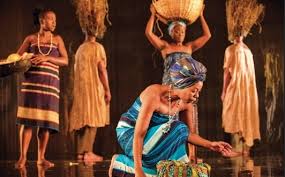

The Yoruba people, one of the largest ethnic groups in Africa, have a rich and diverse cultural heritage that spans centuries. From their intricate art and craft to their vibrant festivals and ceremonies, the Yoruba culture is a testament to the creativity, resilience, and ingenuity of the Nigerian people.
The History of the Yoruba People
The history of the Yoruba people dates back to ancient times, with archaeological evidence suggesting that the Yoruba civilization may have existed as far back as the 4th century BC. The Yoruba are believed to have originated from the region that is now modern-day Nigeria and Benin, and their civilization flourished in the southwestern part of Nigeria, particularly in the city-states of Ife and Oyo.
Art and Craft
One of the most distinctive aspects of Yoruba culture is its rich tradition of art and craft. Yoruba art is known for its intricate designs, bold colors, and symbolic motifs, and it encompasses a wide range of forms, including sculpture, pottery, weaving, and beadwork.
Yoruba sculptures, in particular, are highly revered for their craftsmanship and aesthetic beauty. They often depict human figures, animals, and mythical creatures, and they are frequently used in religious ceremonies and rituals.
Religion and Spirituality
Religion plays a central role in Yoruba culture, and the Yoruba people have a rich spiritual tradition that is based on the worship of a pantheon of gods and goddesses known as the Orishas. The Orishas are believed to be intermediaries between the spiritual and human realms, and they are revered for their wisdom, power, and guidance.
Yoruba religious practices center around the veneration of the Orishas through rituals, ceremonies, and offerings. These rituals often involve music, dance, and prayer, and they are an integral part of Yoruba identity and heritage.
Language and Literature
The Yoruba language is one of the most widely spoken languages in Nigeria, with millions of speakers across the country and around the world. It is a tonal language, meaning that the meaning of a word can change depending on the tone in which it is spoken.
Yoruba literature is also rich and diverse, encompassing a wide range of genres, including poetry, prose, and drama. Yoruba literature has a long and storied history, with oral storytelling traditions dating back centuries and written literature dating back to the 19th century.
Conclusion
In conclusion, the Yoruba people have a rich and vibrant cultural heritage that is characterized by its art, religion, language, and literature. From their intricate sculptures and colorful festivals to their rich oral traditions and spiritual beliefs, the Yoruba culture is a testament to the creativity, resilience, and ingenuity of the Nigerian people.